The Junction System Was Always Right

In the era when every JRPG was either chasing Final Fantasy or running away from it, Final Fantasy VIII was doing something genuinely strange. It tied your characters' strength to a stockpile of magic spells you had to "draw" from enemies one at a time. It made levelling up actively work against you, because monsters scaled with the party. It built an entire combat philosophy on the idea that planning a junction loadout was more interesting than swinging a sword. The fanbase has been arguing about whether any of this was a good idea for twenty-six years.
I want to argue it was right.
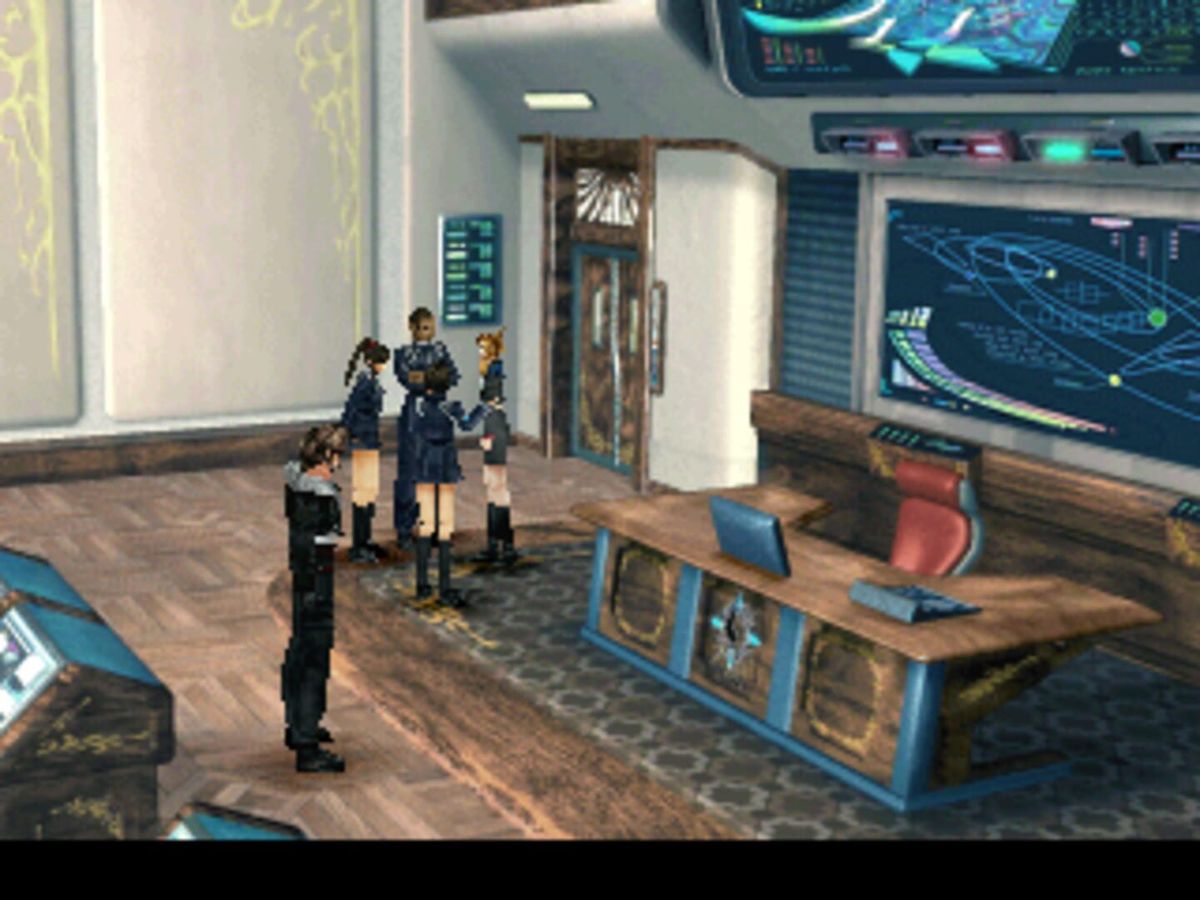
Junction is not a system that rewards autopilot. The PS1 era is stuffed with RPGs that reduced themselves to "press X until the bar fills, then press X again." Final Fantasy VII has plenty of stretches where Cure spells and Limit Breaks are all you need. Dragon Quest VII can be played one-handed for hours. Junction refuses that contract. The game asks you, before each meaningful fight, to think about what stats matter, which spells you can spare from your party's HP pool, and whether the trade you are making is worth it. It treats you like a planner, not a button-presser.
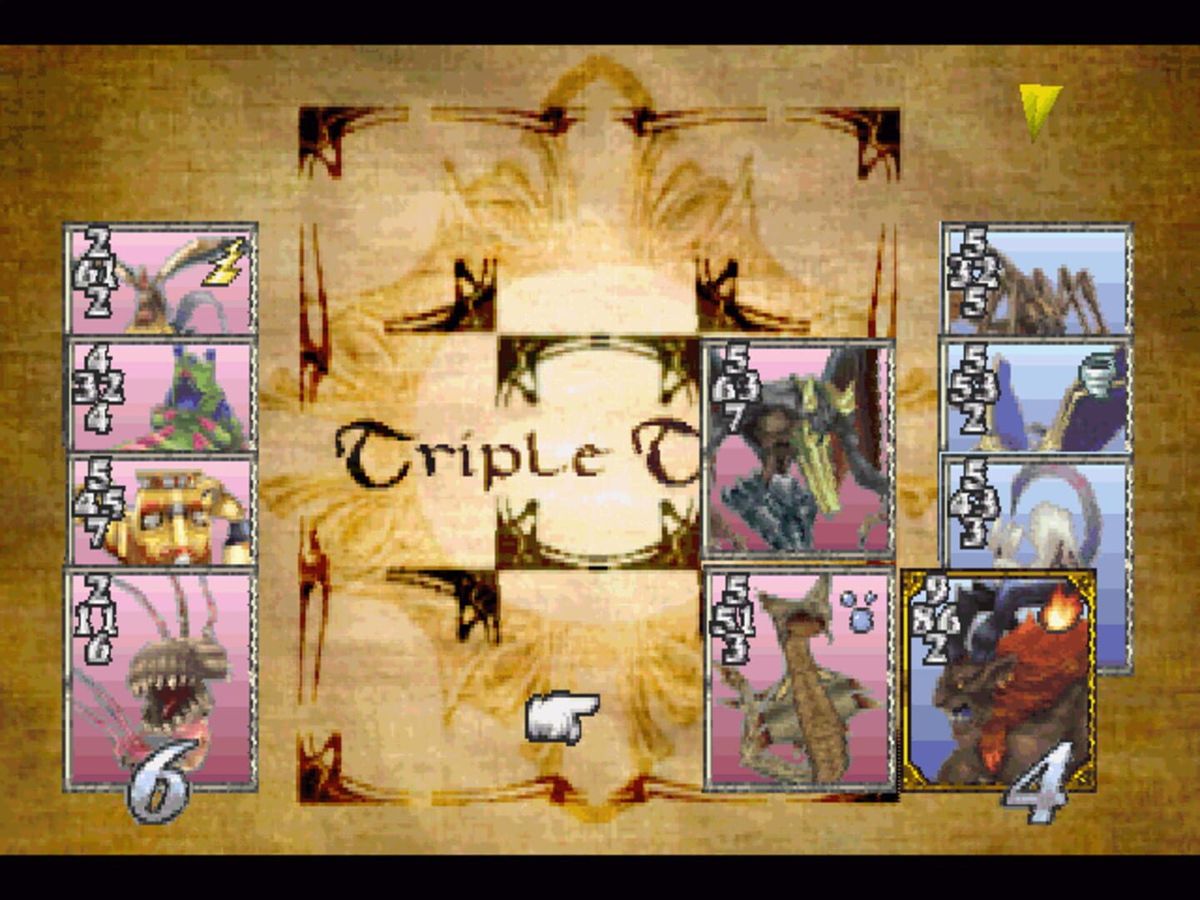
The famous objection is that Junction "punishes" you for using your spells. This reading misses what the system is actually doing. Magic is not ammunition. Magic is gear. You stock spells the way an action RPG hoards crafting materials. Casting Curaga in a random battle is the same kind of decision as scrapping a Legendary sword for raw materials. Sometimes it is correct. Most of the time, the right move is to keep your loadout intact and let your physical attackers do the work. The "don't use magic" complaint is a complaint about the player wanting to be allowed to play wastefully without consequence.
None of this makes Junction beginner-friendly. The game does a poor job of explaining itself, and the first few hours are genuinely confusing if you have never played a Squaresoft RPG before. That is a tutorialization failure, not a design failure. The same critique would sink most strategy games if we held them to the same standard.
What Final Fantasy VIII understood, and what most of its critics still don't, is that a JRPG combat system has to be doing something while you are playing it. Junction is doing a lot. It punishes laziness, rewards experimentation, and gives every party member a distinct loadout problem to solve. The fact that the discourse has spent a quarter century insisting otherwise is, frankly, a reading-comprehension issue.
The Junction System was always right. The internet just wasn't ready.